
How to choose the right potting mix
Match the mix to the plant, the pot and the way you water, and most potting problems take care of themselves.
Shop the 4 products in this guide · from NZ$10.99 ↓
There is no single “best” potting mix. The right soil depends on the plant, the pot and how often you water. This guide explains what a good mix does, gives a simple starting point for the most common types of plants grown in New Zealand homes and gardens, and shows how to tell when a mix is not working.
Three jobs of a good mix
Every potting mix balances three jobs:
- Hold water and nutrients, so roots do not dry out too quickly.
- Drain and let air in, so roots do not sit in soggy soil and rot.
- Hold the plant steady, so it stays upright and the mix does not collapse over time.
Plants that like steady moisture (most leafy houseplants, seedlings) need more of the first job. Plants that like to dry out between waterings (succulents, cacti, many bonsai) need more of the second.
Most problems with potted plants come from a mix that leans too far one way for the plant in it.
Which mix for which plant?
Use these as a starting point, then adjust for your home: a warm, bright room dries pots faster than a cool, shady one.
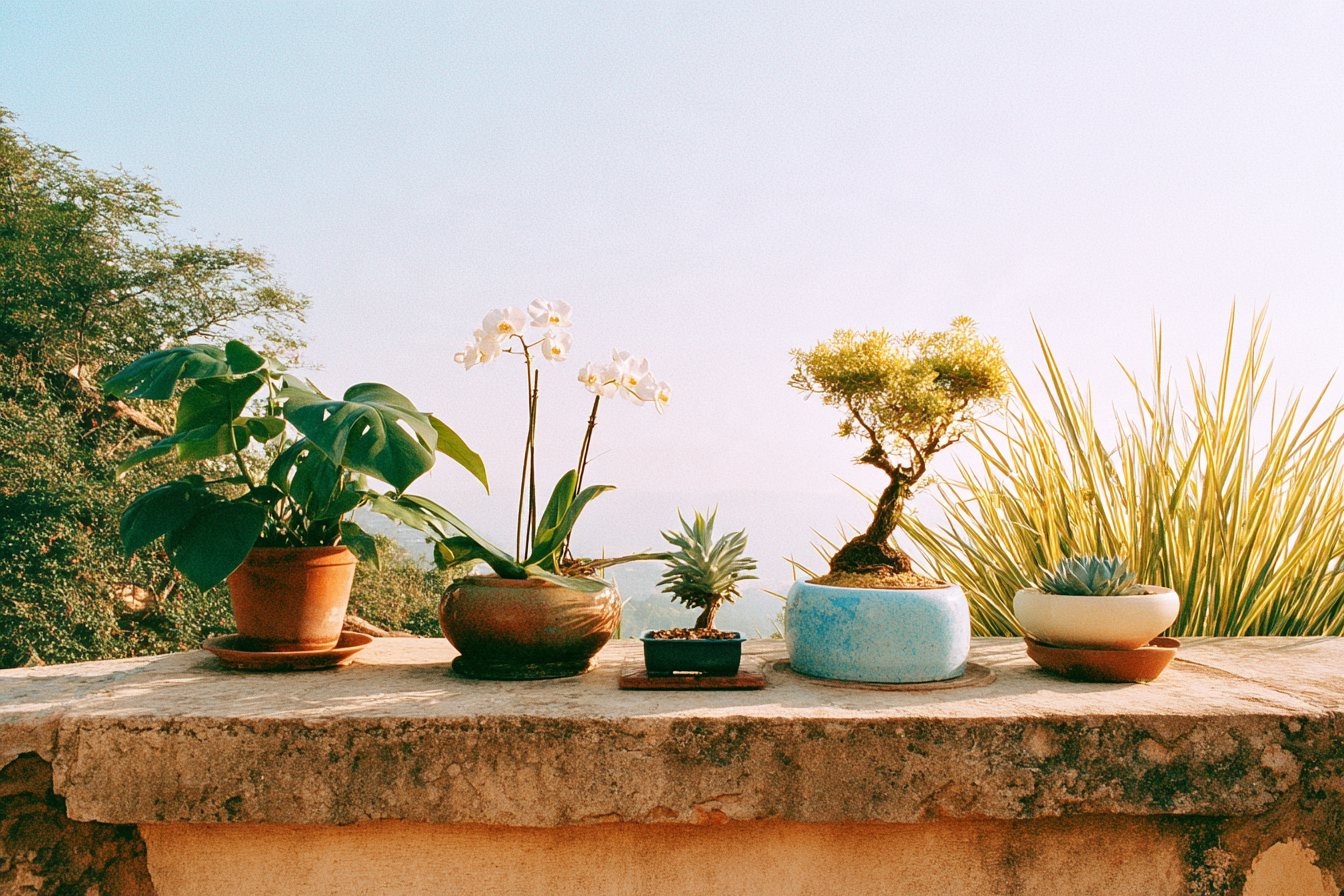
Leafy indoor plants
Pothos, ficus, peace lily, calathea, fernsLikes: Evenly moist, never waterlogged.
Mix: A general indoor mix, with some perlite or LECA added if it stays wet for long.Aroids & chunky-mix plants
Monstera, philodendron, anthurium, hoyaLikes: Moist but very airy, with big gaps around the roots.
Mix: Indoor mix opened up with larger granules such as LECA, biochar or satsuma gold stone.Succulents & cacti
Echeveria, haworthia, jade, cactiLikes: Dries out quickly between waterings.
Mix: A gritty, free-draining granular mix.Orchids
Phalaenopsis and other epiphytesLikes: Air around the roots; hates dense soil.
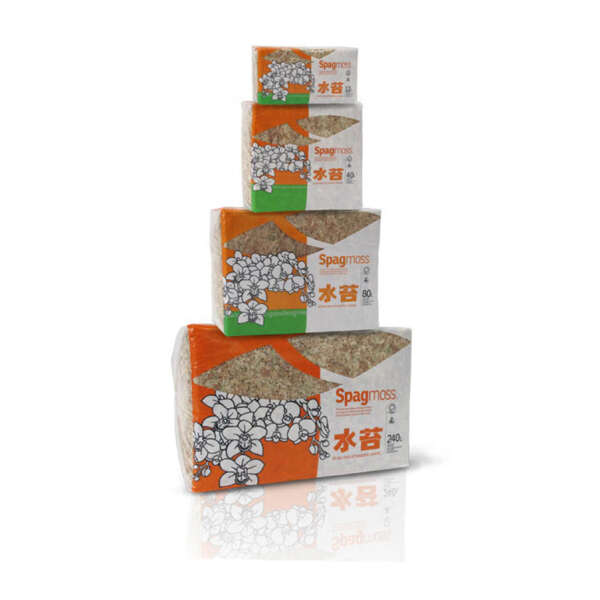
Mix: Sphagnum moss or a chunky granular mix, in a pot with plenty of holes.Bonsai
Juniper, maple, ficus and moreLikes: Drains fast but holds some moisture; fine root growth.
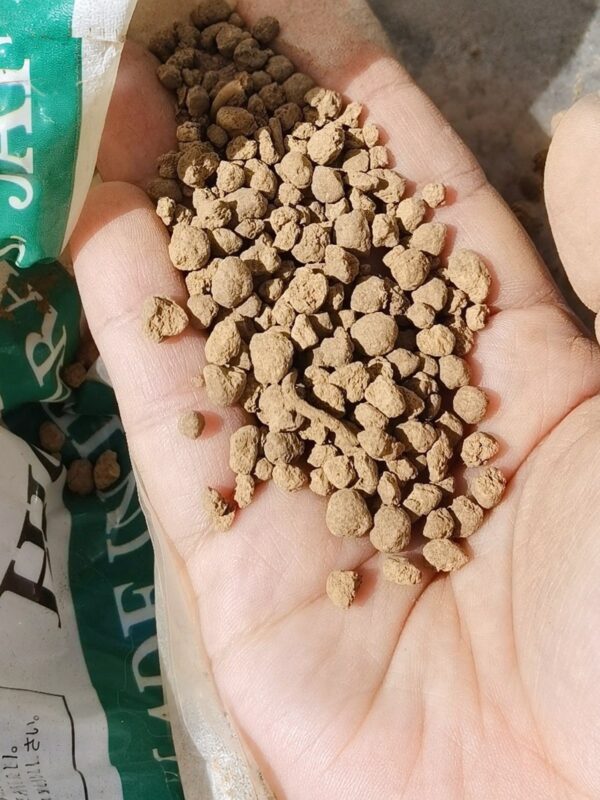
Mix: Mostly akadama, often mixed with other granules.Acid-loving plants in pots
Azaleas, camellias, blueberriesLikes: Slightly acidic, moist, well aerated.
Mix: A mix that includes kanuma.Seeds & cuttings
Vegetable seedlings, herbs, cuttingsLikes: Fine, light and evenly moist.
Mix: A fine mix with vermiculite or granular peat.
Not sure what each ingredient does? Our soil ingredients guide explains akadama, zeolite, perlite, LECA, vermiculite and more, side by side.
Signs the mix is wrong
Too heavy. The pot is still wet a week or more after watering, leaves yellow or droop even though the soil is damp, or the mix smells sour. Add perlite, LECA or other granules, or repot into a more open mix.
Too open. The pot is bone dry within a day or two, water runs straight through, or the plant wilts between waterings. Add something that holds water, such as granular peat, vermiculite or akadama, or move to a larger pot.
Worn out. The mix has sunk and compacted, water pools on top, or roots are circling the pot. Time to repot.
Why the pot matters
- Always use a pot with a drainage hole, or grow in a nursery pot that sits inside a decorative cover pot.
- Unglazed terracotta and clay dry out faster than glazed ceramic or plastic, so they suit plants that like to dry out.
- A pot that is much bigger than the root ball holds extra wet soil the roots cannot reach. Go up only a few centimetres at a time.
Browse ceramic pots, coarse pottery and all pots and planters.
Feeding plants in granular mixes
Mineral and granular mixes contain very little food, so plants in them need fertiliser. A slow-release fertiliser mixed in at potting time plus a water-soluble plant food during the growing season works well. See our Plant Food Guide for which to use and how much.
Potting mix FAQ
Can I use garden soil in pots?
It is best not to. Garden soil compacts in a container, drains poorly and can bring in pests and weeds. Use a potting mix made for containers.
Is a granular mix better than a regular potting mix?
Not always. Granular mixes stay open and drain well for longer, which suits succulents, bonsai and plants prone to root rot. Leafy plants that like steady moisture are often happier in a softer mix, or a granular mix with something water-holding added.
Can I reuse old potting mix?
Granular mixes can often be rinsed, sieved to remove dust and broken pieces, and reused. Soft, peat-based mixes break down over time, so it is usually better to refresh them with new mix.
How often should I change the mix?
Most potted plants benefit from fresh mix every one to two years, or sooner if the mix has compacted. Slow growers such as cacti can go longer.
Shop this guide
- Indoor Plant Potting MixFor leafy indoor plants
- Succulent Soil MixPeat-free, for succulents and cacti
- Akadama SoilFor bonsai and granular mixes
- Sphagnum MossFor orchids and propagation
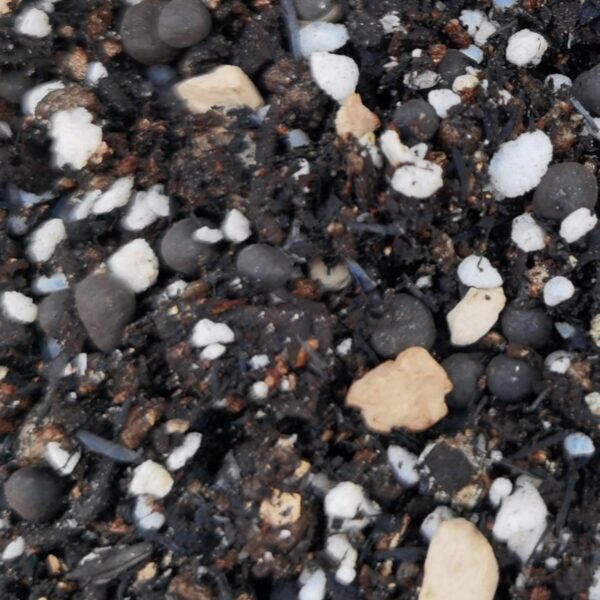
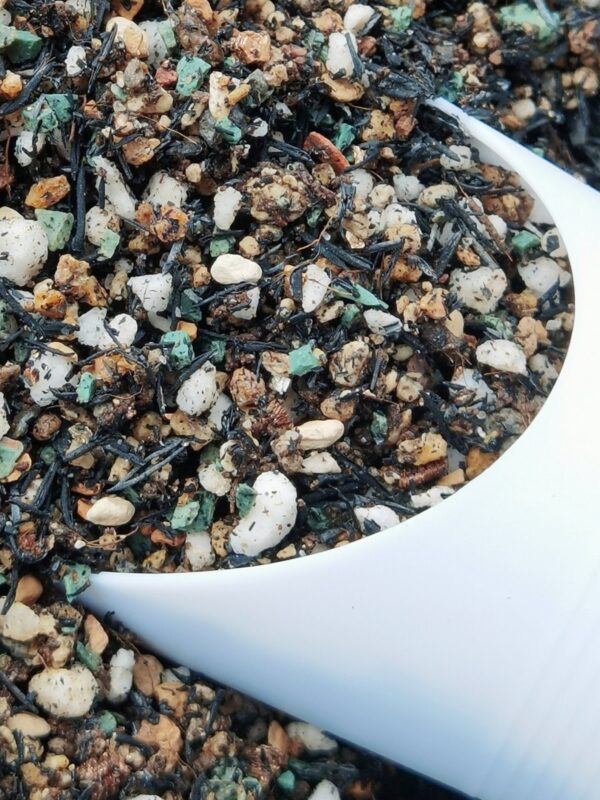
All prices include GST, with NZ-wide delivery from Auckland and free pick up from Mairangi Bay by arrangement. See the full range of soils and mixes.
Shop this guide4 products · from NZ$10.99