
How to repot a plant
A slightly bigger pot, some fresh mix and a calm ten minutes: the simplest thing you can do for a plant that has stalled.
Shop the 4 products in this guide · from NZ$1.90 ↓
Repotting gives a plant fresh mix and room to grow. It takes about ten minutes per plant and works the same way for most houseplants, succulents, herbs and small shrubs in pots. Here is when to do it, what you need, and how to do it step by step.
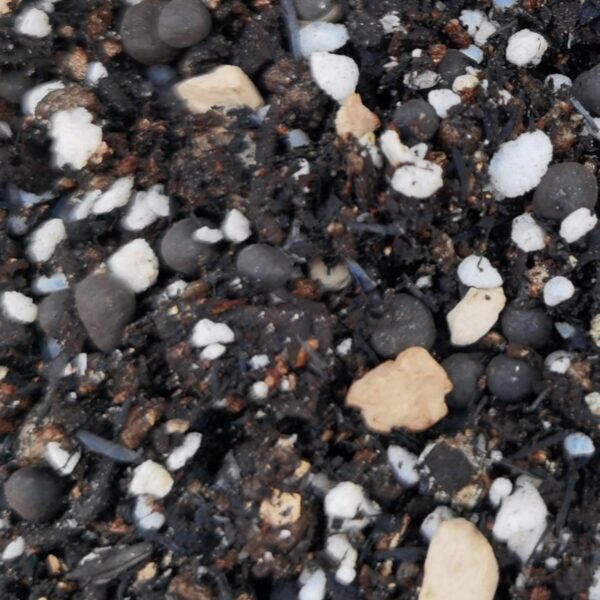
- Indoor Plant Potting MixFresh mix for leafy indoor plants
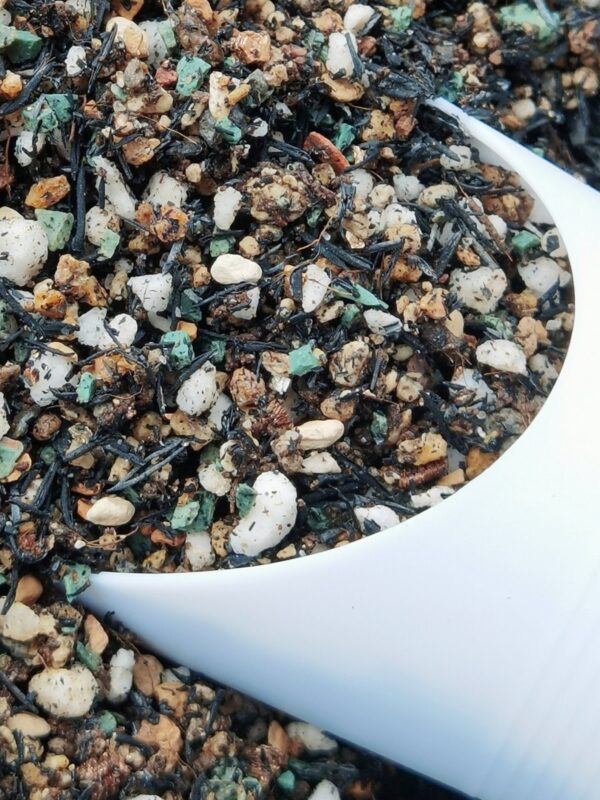
- Succulent Soil MixOr a gritty mix for succulents and cacti
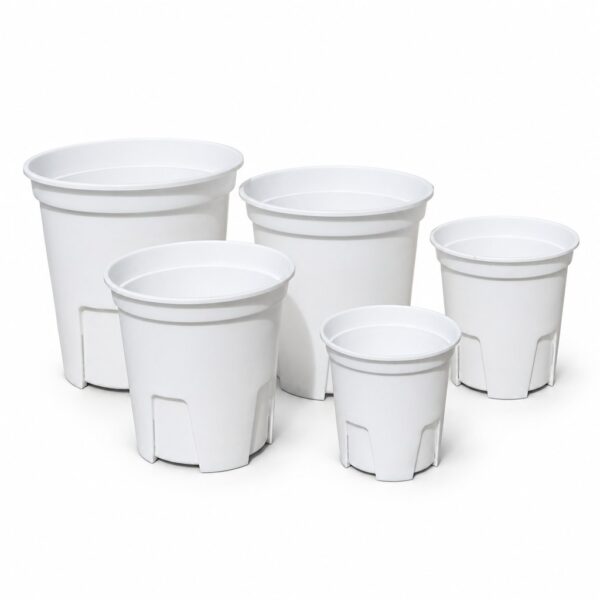
- Nursery Pots with SaucersA slightly bigger pot with drainage holes
When to repot
- Roots are growing out of the drainage hole or circling the inside of the pot.
- Water runs straight through, or the pot dries out much faster than it used to.
- The mix stays wet for a long time, smells sour, or has sunk and compacted.
- The plant is top-heavy and tips over, or has stopped growing in the growing season.
- It has been one to two years since the last repot.
In New Zealand the best time for most plants is spring to early summer (roughly September to December), when plants are actively growing and recover quickly. Avoid repotting in the middle of winter or while a plant is flowering or stressed, unless the roots are rotting.
Spring to early summer, roughly September to December, is the best time to repot most plants.
What you need
- A new pot with a drainage hole, usually 2–5cm wider than the old one. Browse ceramic pots, coarse pottery or plastic nursery pots with saucers.
- Fresh potting mix to suit the plant. See our Potting Mix Guide for which one.
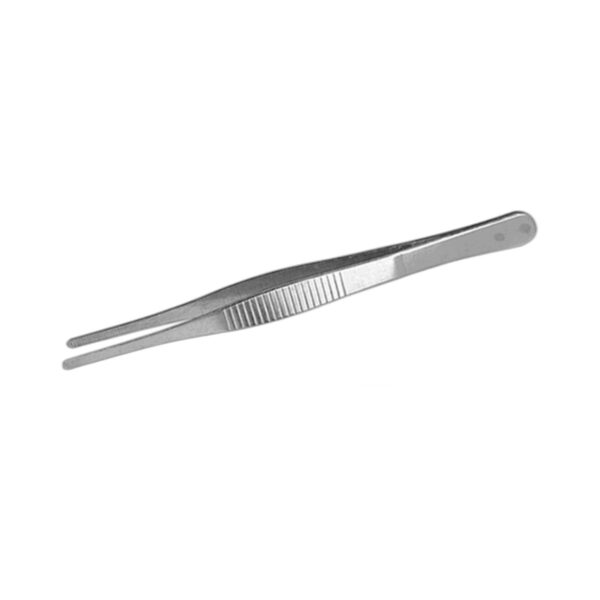
- A trowel or scoop, clean scissors, and gloves for spiky plants. Long tweezers help with small succulents and cacti.
- Optional: a slow-release fertiliser to mix in. See our Plant Food Guide.
Repotting, step by step
Step 1: Water a day before
Except succulents and cacti (see below). A slightly moist root ball slides out more easily and holds together.
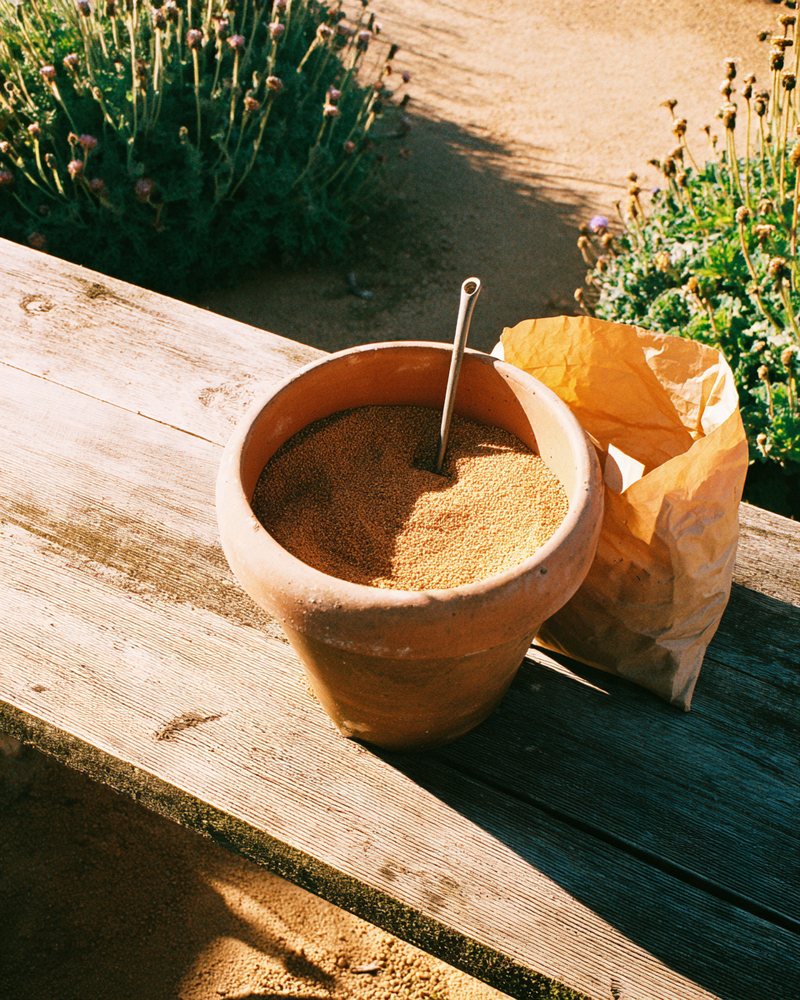
Step 2: Prepare the new pot
Add a layer of fresh mix to the bottom so the top of the root ball will sit about 1–2cm below the rim.
Step 3: Remove the plant
Tip the pot sideways, support the base of the stems, and ease the plant out. Squeeze or tap a plastic pot; run a knife around the inside of a rigid one if needed.
Step 4: Check the roots
Healthy roots are firm and light-coloured. Trim away any that are black, mushy or dead, and gently loosen roots that are circling.
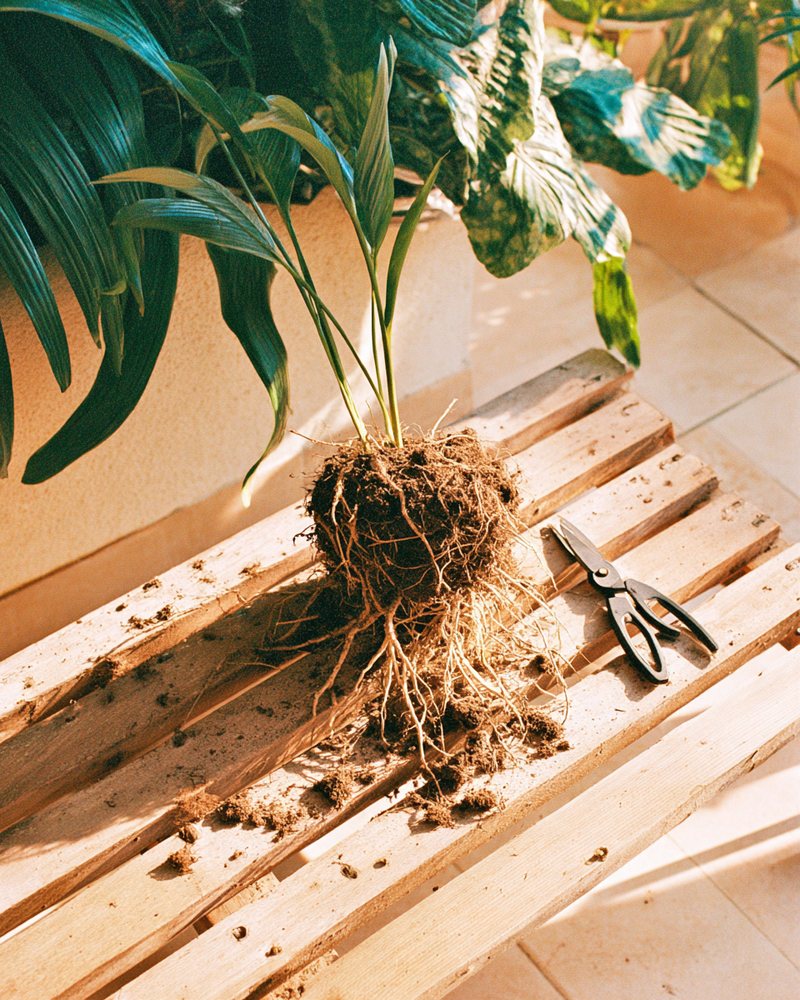
Step 5: Loosen the old mix
Shake or tease away loose, old mix from the outside of the root ball. There is no need to strip it bare unless the old mix was rotting.
Step 6: Position the plant
Set it in the centre of the new pot at the same depth it was growing before.
Step 7: Fill around the roots
Add fresh mix, tapping the pot and pressing lightly so there are no big air pockets. Do not pack it hard.
Step 8: Water and settle
Water until it runs out of the drainage hole, then top up any mix that has sunk. Let the pot drain fully.
Orchids, succulents and bonsai
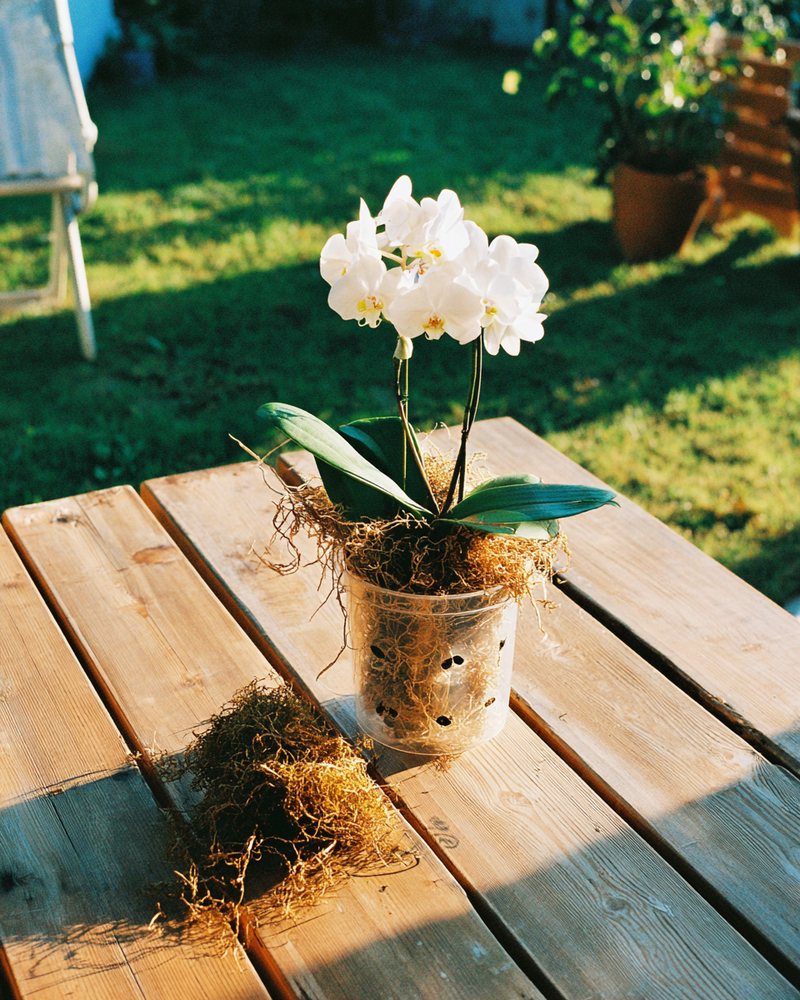
Orchids
Repot after flowering. Remove old, broken-down media and dead roots, then refill with fresh sphagnum moss or a chunky mix in a pot with plenty of holes, such as a clear orchid pot.
Succulents and cacti
Repot into dry, free-draining mix such as our Succulent Soil Mix, then wait a few days to a week before watering so any damaged roots can heal. Use gloves, folded paper or tongs for spiny cacti.
Bonsai
Bonsai are usually repotted in early spring, often with some root pruning, into a fast-draining mix based on akadama.
Dividing and potting up offsets
Plants that make pups or offsets, such as pilea, spider plants, aloes and many succulents, can be separated at repotting time. Pot each piece with some roots attached into a small pot of fresh mix.
What happens after repotting?
- Keep the plant out of harsh direct sun for about a week while it settles.
- Do not feed straight away if you used fresh mix with fertiliser; otherwise start feeding again after a few weeks.
- A little drooping for a few days is normal. Check that the mix is not staying soggy.
Repotting FAQ
How much bigger should the new pot be?
Usually 2–5cm wider than the old pot for small and medium plants. A much bigger pot holds extra wet mix that the roots cannot use.
Do I need gravel in the bottom of the pot?
It is not needed if the pot has a drainage hole and you use a well-draining mix. A layer of gravel can actually raise the wet zone in the pot.
Can I put a plant straight into a pot without a drainage hole?
It is safer to keep the plant in a nursery pot with holes and sit that inside the decorative pot, emptying any water that collects.
Shop this guide
- Indoor Plant Potting MixFor leafy indoor plants
- Succulent Soil MixFor succulents and cacti
- Nursery Pots with SaucersPlain pots with saucers
- Long Plant TweezersFor small succulents and cacti
Shop soils and mixes, pots and planters and garden tools, with NZ-wide delivery from Auckland.
Shop this guide4 products · from NZ$1.90